







Master the Essentials of Dragon Fruit Care - Your Ultimate Dragon Fruit Care Guide

Updated: Jun 27
Growing dragon fruit at home is a rewarding adventure. This vibrant cactus produces stunning flowers and delicious fruit that tastes like a mix of kiwi and pear. If you want to enjoy fresh dragon fruit from your own garden, you need to master the basics of dragon fruit care. I’m here to walk you through everything you need to know to keep your plant happy and healthy.
Dragon fruit plants are surprisingly easy to grow once you get the hang of their needs. From choosing the right spot to watering and feeding, I’ll share practical tips that make the process simple and fun. Let’s dive in and get your dragon fruit thriving!
Your Dragon Fruit Care Guide: What You Need to Know
First things first - dragon fruit plants love warmth and sunlight. They thrive in tropical and subtropical climates but can also grow indoors if you provide enough light. Here’s a quick rundown of the essentials:
Sunlight: Dragon fruit needs at least 6-8 hours of direct sunlight daily. A sunny south-facing window or a bright spot in your garden works great.
Soil: Well-draining soil is a must. These plants hate soggy roots. Use a cactus or succulent mix or add sand and perlite to regular potting soil.
Water: Water your dragon fruit deeply but infrequently. Let the soil dry out between waterings to avoid root rot.
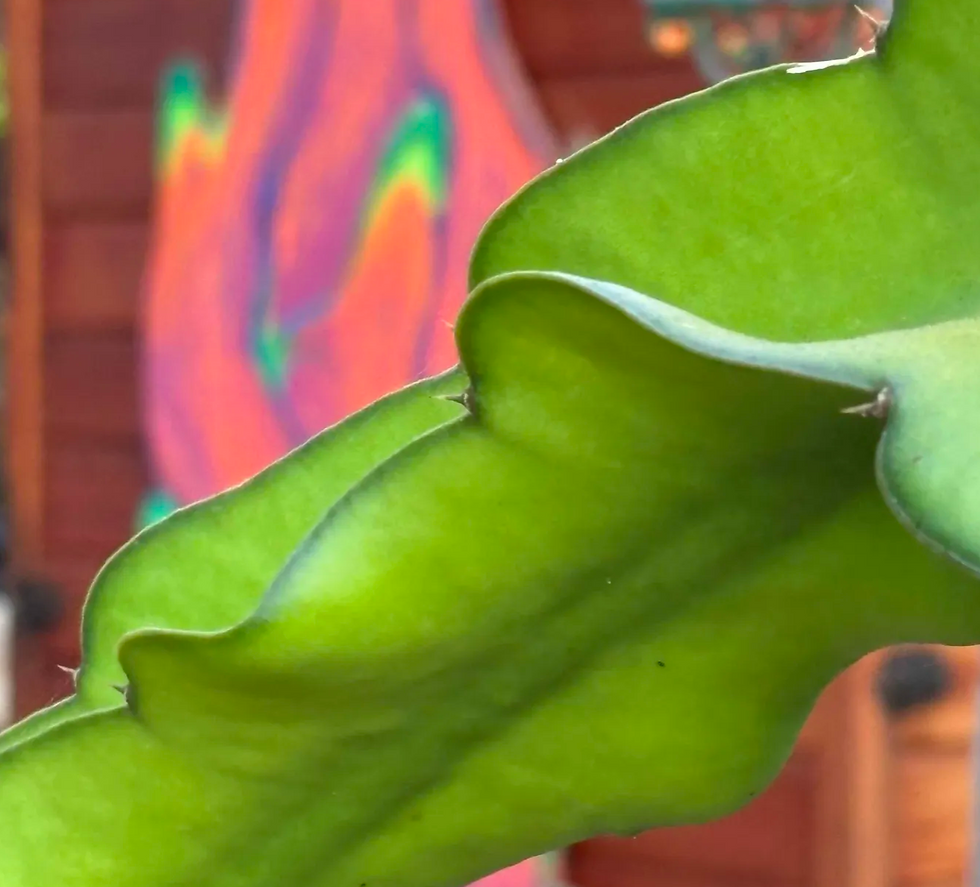
Support: Dragon fruit is a climbing cactus. It needs a sturdy trellis or support to grow upward.
Temperature: Keep your plant in temperatures between 65°F and 85°F (18°C - 29°C). Protect it from frost and cold drafts.
By following these basics, you set your dragon fruit up for success. Remember, consistency is key. Check your plant regularly and adjust care as needed.

How to Water and Feed Your Dragon Fruit Plant
Watering dragon fruit is a balancing act. Too much water can drown the roots, while too little can stress the plant. Here’s how I manage it:
Water deeply once a week during the growing season (spring and summer).
Reduce watering in fall and winter when the plant rests.
Always check the top 2 inches of soil before watering. If it feels dry, it’s time to water.
Use room temperature water to avoid shocking the roots.
Feeding your dragon fruit is just as important. I use a balanced fertilizer with equal parts nitrogen, phosphorus, and potassium. Feed every 4-6 weeks during the growing season. Organic options like compost tea or fish emulsion work well too.
If you notice yellowing stems or slow growth, your plant might need more nutrients. Adjust feeding accordingly but avoid over-fertilizing, which can harm the plant.
How long does it take for a dragon fruit to bear fruit?
Patience is part of the dragon fruit journey. Typically, a dragon fruit plant takes about 1 to 2 years to start producing fruit when grown from cuttings. If you start from seeds, it can take up to 5 to 7 years.
Once your plant matures, it will bloom large, fragrant flowers that open at night. These flowers only last one night, so keep an eye out! Pollination is crucial for fruit development. If you don’t have natural pollinators like bats or moths nearby, you can hand-pollinate using a small brush.
After successful pollination, fruit will develop and ripen in about 30 to 50 days. The fruit is ready to harvest when its skin turns bright pink or yellow, depending on the variety.

Pruning and Supporting Your Dragon Fruit Plant
Pruning is a simple way to keep your dragon fruit plant healthy and productive. Here’s what I do:
Remove any dead or damaged stems to prevent disease.
Trim back overly long branches to encourage new growth.
Cut off any shoots that crowd the main stems to improve air circulation.
Supporting your plant is just as important. Dragon fruit plants can grow quite tall and heavy. Use a strong trellis, wooden post, or even a fence to keep the cactus upright. Tie the stems loosely with soft ties to avoid damage.
Good support helps the plant focus energy on fruit production instead of struggling to stay upright.
Protecting Your Dragon Fruit from Pests and Diseases
Dragon fruit plants are generally tough, but they can face some common pests and diseases. Here’s how I keep mine safe:
Pests: Watch out for aphids, mealybugs, and spider mites. These tiny bugs suck sap and weaken the plant. Use insecticidal soap or neem oil to control infestations.
Diseases: Root rot is the biggest threat, caused by overwatering or poor drainage. Make sure your soil drains well and avoid waterlogging.
Fungal infections: Powdery mildew can appear in humid conditions. Improve air circulation and treat with a fungicide if needed.
Regularly inspect your plant for signs of trouble. Early detection makes treatment easier and keeps your dragon fruit thriving.
Mastering the cultivation of the golden dragon fruit plant requires an understanding of its unique characteristics and specific growing requirements. By providing the right conditions—ample sunlight, well-draining soil, and appropriate temperature ranges—gardeners can create an environment that fosters healthy growth and fruitful yields. This tropical cactus not only boasts a visually striking appearance but also produces delicious and nutritious fruit when cared for properly.
Key strategies for successful cultivation include:
Preparing the garden with the right soil mix
Maintaining proper watering and fertilization schedules
Implementing effective pest management techniques
Regular inspections, pruning, and mindful harvesting practices further enhance both the quality of the fruit and the overall gardening experience. By adhering to these best practices, cultivators can anticipate a bountiful harvest of golden dragon fruit while ensuring the longevity of their plants.
Ultimately, embracing the art of growing the golden dragon fruit plant transcends mere guideline adherence; it involves engaging with nature and experiencing the joy of nurturing a unique and rewarding species. Whether for personal enjoyment or commercial endeavors, these tips serve as a foundational resource for successful cultivation, encouraging all gardeners to explore the vibrant world of the golden dragon fruit.

Bringing It All Together: Your Dragon Fruit Plant Care Journey
Growing dragon fruit is a fun and rewarding experience. By following this dragon fruit plant care guide, you’ll enjoy healthy plants and delicious fruit in no time. Remember to give your plant plenty of sunlight, water it wisely, feed it regularly, and support its growth with pruning and trellising.
Don’t forget to be patient - dragon fruit takes time to mature and bear fruit, but the wait is worth it. With a little love and attention, your dragon fruit cactus will become a stunning centerpiece in your garden or home.
Happy growing! Your tasty dragon fruit adventure starts now.
#Tagsdragon fruit cuttings, dragon fruit cuttings for sale, dragon fruit flowers, dragon fruit varieties, dragon fruit, dragon fruit varieties for sale, orange dragon fruit, dragonfruit types
Comments