







Exploring the Diverse World of Dragon Fruit Varieties

Dragon fruit, also known as pitaya, is a tropical fruit that has captured the attention of fruit lovers worldwide. Its vibrant colors, unique appearance, and refreshing taste make it a favorite among many. But did you know there are several different types of dragon fruit? Each type offers a distinct flavor, texture, and appearance. In this article, we will explore the fascinating world of dragon fruit and its many varieties.
Understanding the Different Types of Dragon Fruit
Dragon fruit comes primarily from three species of cactus: Hylocereus undatus, Hylocereus costaricensis, and Hylocereus megalanthus. These species produce fruits with varying skin colors and flesh hues. The most common types include:
White-fleshed dragon fruit (Hylocereus undatus): This variety has bright pink or red skin with white flesh speckled with tiny black seeds. It is mildly sweet with a subtle flavor.
Red-fleshed dragon fruit (Hylocereus costaricensis): This type features red or magenta skin and deep red flesh. It tends to be sweeter and more flavorful than the white-fleshed variety.
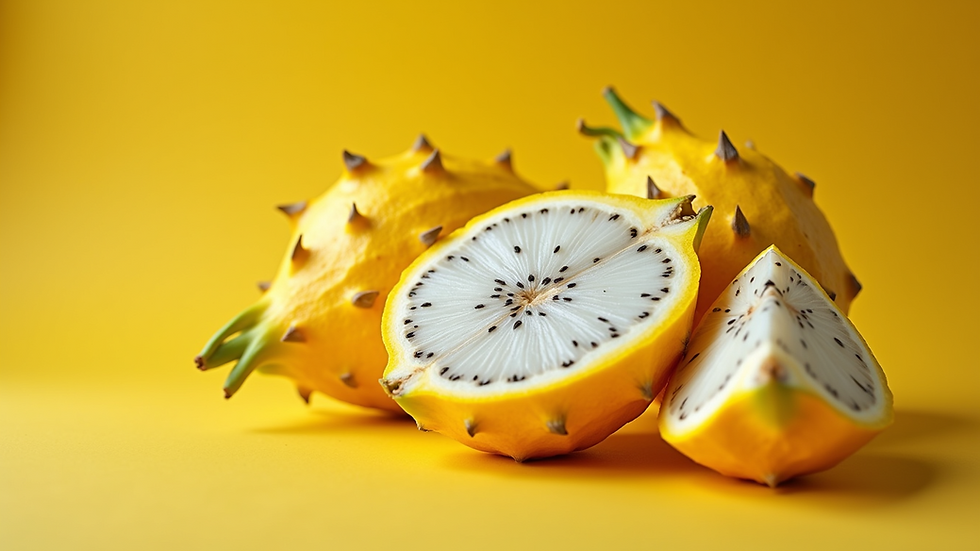
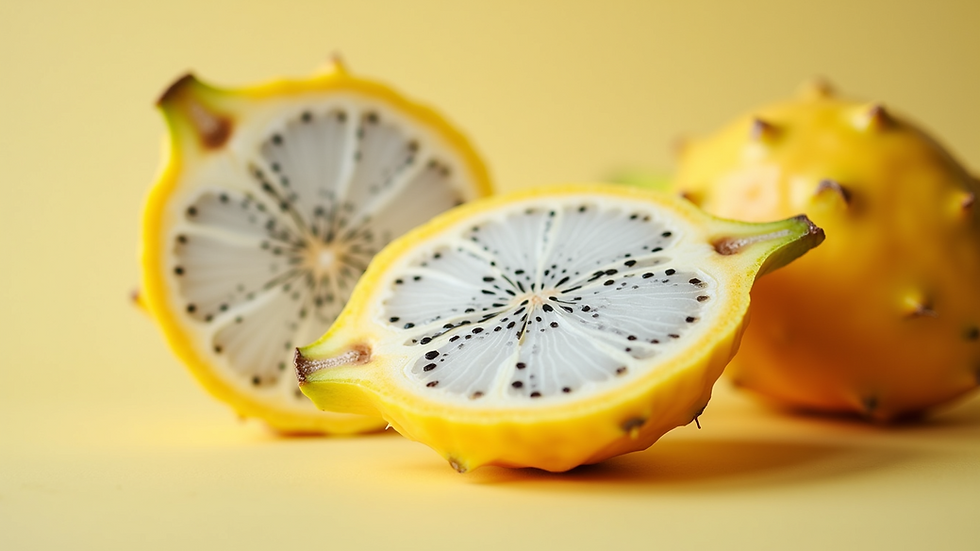
Yellow dragon fruit (Hylocereus megalanthus): Recognizable by its yellow skin and white flesh, this variety is the sweetest among the three and has a slightly tangy taste.
Each type has its own unique appeal, making dragon fruit a versatile ingredient for smoothies, salads, desserts, and even savory dishes.

How to Identify Different Types of Dragon Fruit
Identifying the different types of dragon fruit is easier when you know what to look for. Here are some tips:
Skin Color: The skin color is the easiest way to differentiate. White-fleshed dragon fruit has pink or red skin, red-fleshed has a deeper red or magenta skin, and yellow dragon fruit has bright yellow skin.
Flesh Color: Cut the fruit open to see the flesh. White-fleshed varieties have white flesh, red-fleshed have red or magenta flesh, and yellow dragon fruit has white flesh.
Size and Shape: Yellow dragon fruit tends to be smaller and more oval-shaped, while the others are usually larger and rounder.
Taste: If you get a chance to taste, yellow dragon fruit is the sweetest, followed by red-fleshed, with white-fleshed being the mildest.
Knowing these characteristics can help you select the right type for your culinary needs or personal preference.
Which Dragon Fruit Is the Sweetest?
When it comes to sweetness, not all dragon fruits are created equal. The yellow dragon fruit (Hylocereus megalanthus) is widely regarded as the sweetest among the varieties. Its sugar content is higher, giving it a more pronounced sweetness and a slightly tangy flavor that many find delightful.
The red-fleshed dragon fruit also offers a sweet taste but with a richer, more intense flavor profile. The white-fleshed variety is the mildest and least sweet, making it a great choice for those who prefer subtle flavors or want to use the fruit in savory dishes.
If you are looking for a dragon fruit to enjoy fresh or in desserts, the yellow variety is an excellent choice. For smoothies or salads where you want a balance of sweetness and flavor, the red-fleshed type works well. The white-fleshed dragon fruit is versatile and can be used in a variety of recipes without overpowering other ingredients.
Nutritional Benefits of Different Dragon Fruit Types
Beyond their appealing looks and flavors, dragon fruits are packed with nutrients. They are low in calories but rich in vitamins, minerals, and antioxidants. Here’s a quick overview of their nutritional benefits:
Vitamin C: Boosts the immune system and promotes healthy skin.
Fiber: Aids digestion and helps maintain a healthy gut.
Antioxidants: Protect cells from damage and reduce inflammation.
Magnesium: Supports muscle and nerve function.
Iron: Important for blood health.
While the nutritional content is similar across the different types, the red-fleshed dragon fruit contains additional antioxidants called betalains, which give it its vibrant color and extra health benefits.
Including dragon fruit in your diet can be a delicious way to support overall health. Try adding it to your breakfast bowls, smoothies, or even as a refreshing snack.
How to Choose and Store Dragon Fruit
When selecting dragon fruit, look for fruits that are bright in color and free from blemishes or soft spots. The fruit should give slightly when pressed, similar to a ripe avocado. Avoid fruits that are too hard or overly soft.
To store dragon fruit:
Keep it at room temperature if you plan to eat it within a few days.
For longer storage, place it in the refrigerator. It can last up to two weeks when refrigerated.
Once cut, wrap the fruit tightly in plastic wrap or store it in an airtight container and consume within a day or two for the best taste and texture.
Proper storage ensures you enjoy the fruit at its freshest and most flavorful.
Exploring More Dragon Fruit Varieties
If you want to dive deeper into the world of dragon fruit, there are many lesser-known varieties cultivated around the world. Some have unique shapes, colors, or flavors that are worth exploring. For example:
Vietnamese dragon fruit: Often larger with a sweeter taste.
Costa Rican varieties: Known for their vibrant colors and juicy flesh.
Hybrid varieties: Crossbreeds that combine traits from different species for unique flavors and appearances.
For those interested in learning more about the diverse dragon fruit varieties, exploring specialty markets or online sources can be a great way to discover new favorites.
Dragon fruit is more than just a pretty fruit. Its different types offer a range of flavors, textures, and nutritional benefits that can enhance your diet and culinary creativity. Whether you prefer the sweet yellow variety or the mild white-fleshed type, there is a dragon fruit for everyone to enjoy. Next time you visit the market, consider trying a new type and experience the exciting world of dragon fruit firsthand.


Comments